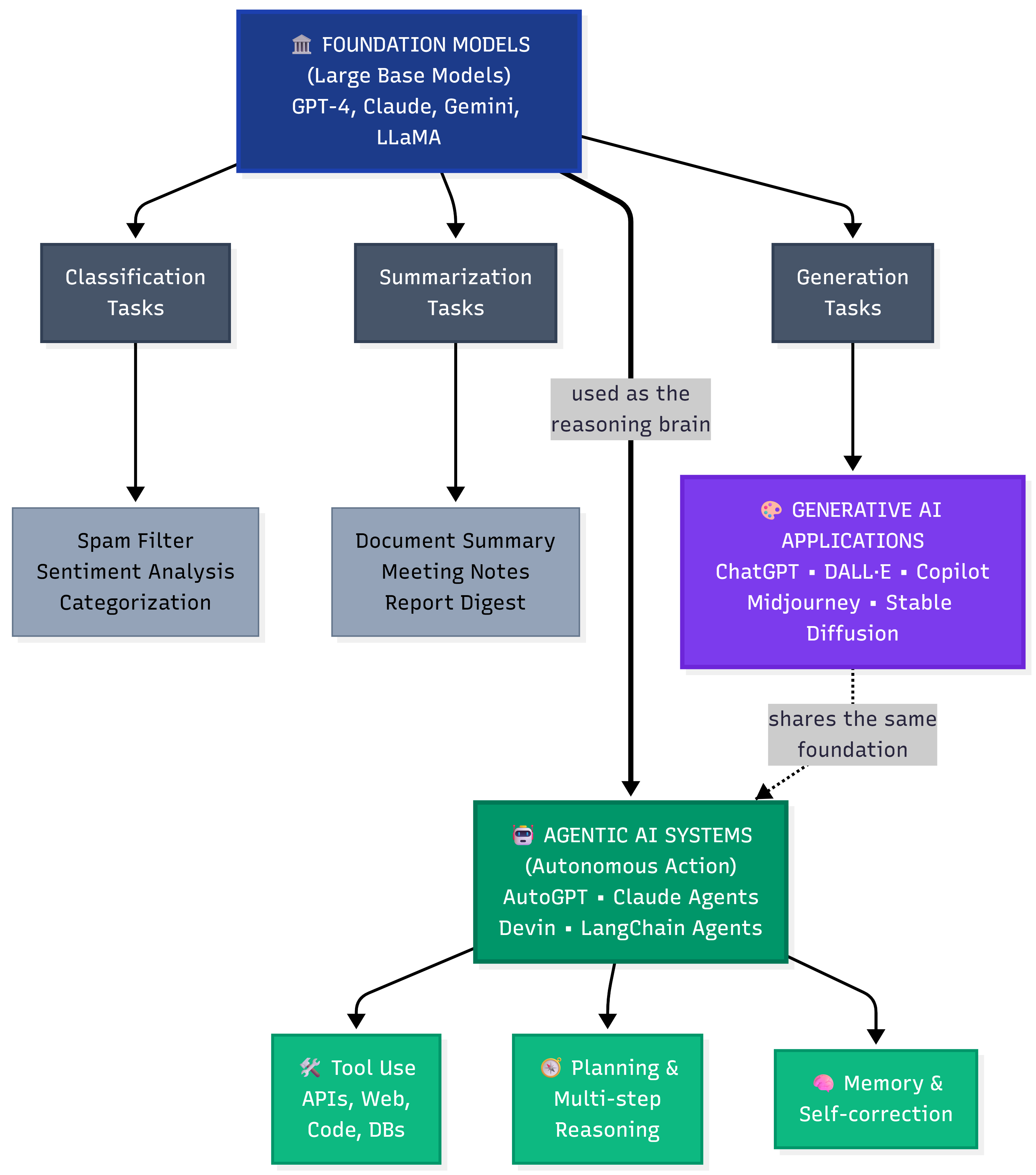
Agentic AI for AM
Agentic AI systems represent an advanced approach to implementing AI in manufacturing environments. These systems can autonomously perceive, reason, and act within complex manufacturing environments to perform complex tasks, make decisions, and continuously learn from their interactions. Understanding how to develop and deploy agentic AI for your specific use case is essential for leveraging AI effectively in additive manufacturing.
Agent Capabilities
Modern AI agents in AM environments can perform a wide range of tasks:
- Autonomous design generation and optimization
- Real-time process monitoring and adjustment
- Predictive maintenance and quality control
- Supply chain optimization and material selection
- Multi-objective optimization considering various constraints
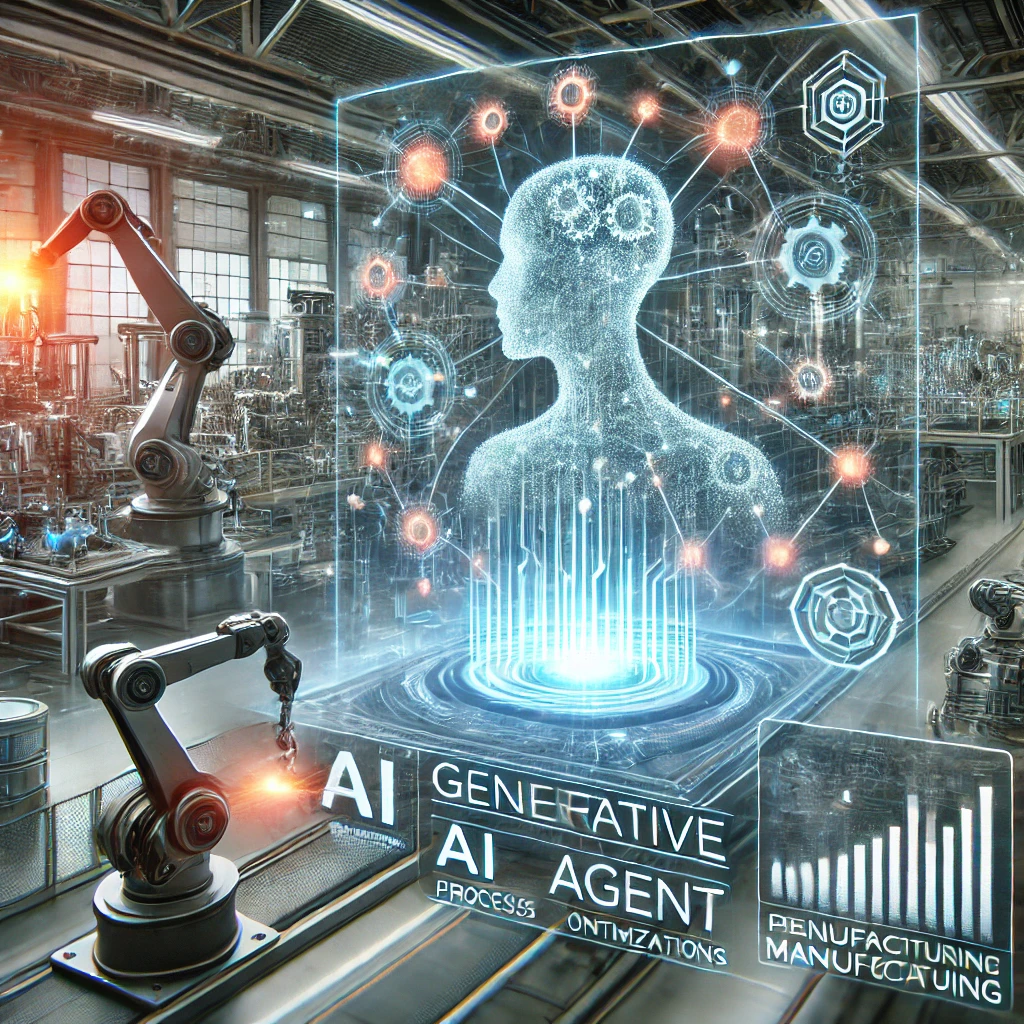
Roles and Capabilities in AM
Agentic AI systems in AM serve as intelligent autonomous agents that can independently manage complex manufacturing workflows. Understanding these roles is essential for developing effective agentic AI solutions:
- Workflow Orchestrator: Automatically manages end-to-end manufacturing processes from initial design through post-processing, coordinating between different software systems and machinery
- Real-time Decision Maker: Processes live sensor data and makes immediate adjustments to printing parameters, path planning, and resource allocation based on current conditions
- Adaptive Problem Solver: Detects anomalies and deviations from expected behavior, then implements corrective actions without human intervention
- Continuous Learning Agent: Improves performance over time by analyzing outcomes, identifying patterns, and updating its decision-making models based on historical data
- Process Optimizer: Continuously refines manufacturing parameters to improve quality, reduce waste, decrease production time, and enhance material efficiency
Agent Foundations
The foundation of effective AI agents in additive manufacturing involves several key components that enable autonomous operation, learning, and decision-making in complex manufacturing contexts.
Core Components of Agent Architecture
Successful agent implementations in AM typically include these foundational elements:
- Perception Systems: Computer vision and sensor integration for real-time monitoring
- Decision Models: AI frameworks for evaluating options and selecting optimal actions
- Knowledge Representation: Structures for maintaining information about designs, processes, and constraints
- Learning Mechanisms: Approaches for improving performance based on experience and feedback
- Communication Interfaces: Methods for interaction with operators, other systems, and manufacturing equipment
Single-Task Agents
Specialized agents focused on one aspect of the AM process, such as topology optimization or slicing parameter selection.
Multi-Task Agents
Versatile agents capable of handling multiple aspects of the AM workflow, from design to post-processing.
Collaborative Agent Systems
Networks of specialized agents that work together to optimize the entire AM process chain.
Data Strategy and Management
Data is fundamental to agentic AI success. To develop effective AI solutions for your manufacturing use case, you need to approach data strategically. Follow these guidelines to build the right data foundation for your specific needs:
Training Data Development:
Create and curate datasets for model training:
- Historical print jobs with process parameters and outcomes
- Design files correlated with manufacturing results
- Sensor time-series data from successful and failed prints
- Quality inspection data (dimensional accuracy, surface finish, internal defects)
- Material certifications and batch information
Operational Data Pipeline:
Set up real-time data flows for live operation:
IoT sensor integration (temperature, pressure, vibration, etc.)
Printer API connections for status and control
Environmental monitoring systems
Material handling and logistics data
Data Preparation Framework:
Follow these steps to make your data AI-ready:
- Data collection from all relevant sources
- Cleaning and preprocessing (handling missing values, outliers, noise)
- Feature engineering (creating meaningful input variables)
- Labeling and annotation (for supervised learning tasks)
- Validation and quality assurance
- Versioning and governance (tracking changes over time)
Data Ethics and Security:
Important considerations for manufacturing data:
- Protecting proprietary design and process information
- Ensuring data privacy and compliance
- Maintaining data integrity and traceability
- Implementing secure data storage and transmission